MACHIKO
Joyce Wrice stops apologizing and starts living up to her name.
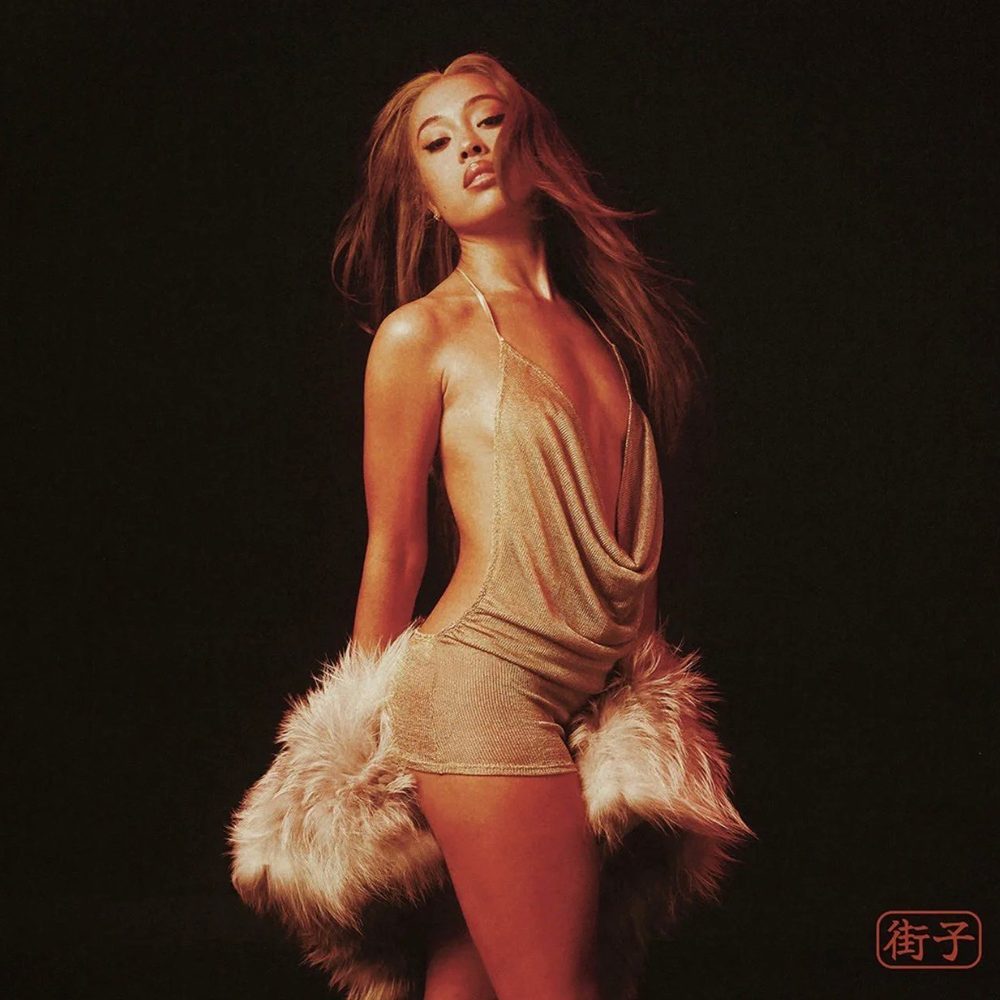
Some albums announce themselves. MACHIKO takes its time, and that patience is a big part of why it works.
The title is personal. Machiko is Joyce Wrice's Japanese middle name, and she has explained that it roughly means “city girl,” a name her mother chose with a certain kind of life in mind for her daughter. Five years after her debut, Overgrown, Wrice sounds like she's finally living in it.
Overgrown was about getting over someone. MACHIKO is about getting honest with yourself. Wrice has said she isn't heartbroken this time around, and the songs back that up. She's the one keeping her options open, the one who enjoys the pursuit, and she doesn't apologize for it. That shift gives the album a confidence her earlier work was still reaching for.
What stands out first is how easy it all goes down. This is a smooth album in the best sense: her vocals sit right in the pocket, the production leaves her plenty of room, and nothing is overcooked. It's built for a late drive or a quiet night in, and it holds together from front to back in about 40 minutes.
“Dangerous” is the obvious single, flirty and light on its feet, and it's easy to see why it's the song people are reaching for first. But the album really opens up in the middle. “Until Next Time” is the quiet favorite, unhurried and warm, the kind of song that sounds better the third time than the first. It's the track most likely to sneak onto your regular rotation without you noticing.
Then there's “Wish I Knew,” the duet with Odeal and the best song here. It's the vocals that carry it. Wrice and Odeal sound comfortable together, trading lines about two people who care about each other but can't quite let it happen. After an album of Wrice holding the upper hand, this is where her guard drops, and the song is better for that vulnerability. If you hear one track from MACHIKO, make it this one.
The features are chosen with care. JID brings energy to “Catch Me If You Can,” while Mack Keane and Eem Triplin blend into the mood instead of competing with it. That restraint is a strength. Wrice is clearly the center of this album, and every guest seems to know it.
The one misstep is at the very end. The closing remix of “Crack The Code” adds Ty Dolla $ign, an artist who usually elevates whatever he touches. Here, though, his verse doesn't bring anything the original didn't already have, and finishing on a remix takes a little air out of an album that was otherwise carefully paced. Ending on the original version would have landed cleaner.
That's a small complaint about a very good album. MACHIKO is grown, self-assured R&B from an artist who sounds settled in who she is. It doesn't chase trends or lean on big moments. It just delivers strong songs, sung beautifully, from start to finish. Albums like this are why SOUND RNB exists, and it deserves a lot more ears than it's likely to get.